Découvrir l'Histoire et la Préhistoire en Périgord (24)
Les terres du Périgord ont soigneusement
conservé les traces de 400 000 ans
d'occupation humaine, avec d'innombrables
vestiges : grottes ornées du Paléolithique,
villas gallo-romaines du début de notre
ère, cités troglodytiques du Moyen Âge
et commanderies templières se découvrent
comme un grand livre d'aventures.
Chaque visite est un parcours initiatique
qui débute dès nos origines pour se
poursuivre jusqu'aux premières lueurs
du 3e millénaire.
24000 PÉRIGUEUX
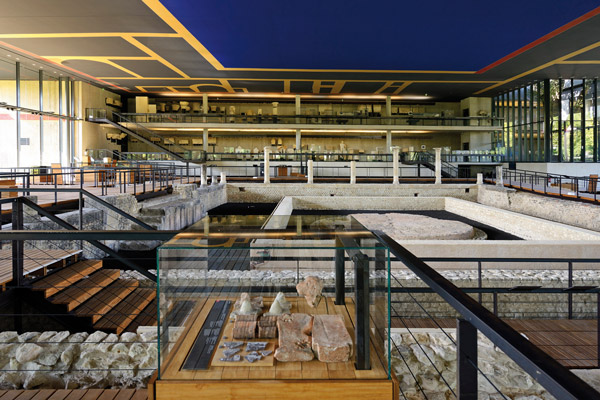
Vesunna, Site-Musée gallo-romain
Quand Vesunna était capitale en Aquitaine
Dans un concept unique en Europe et une architecture audacieuse de Jean Nouvel, le site-musée Vesunna pr...
24290 MONTIGNAC
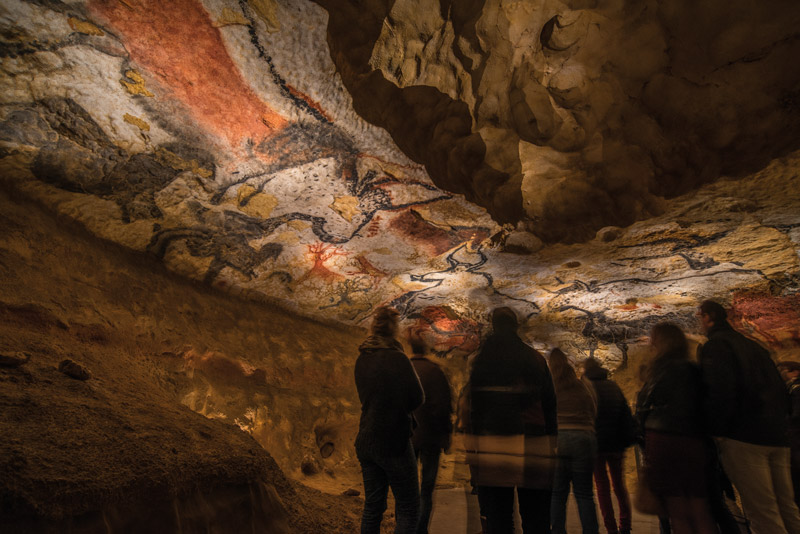
Lascaux IV
Centre international de l'art pariétal
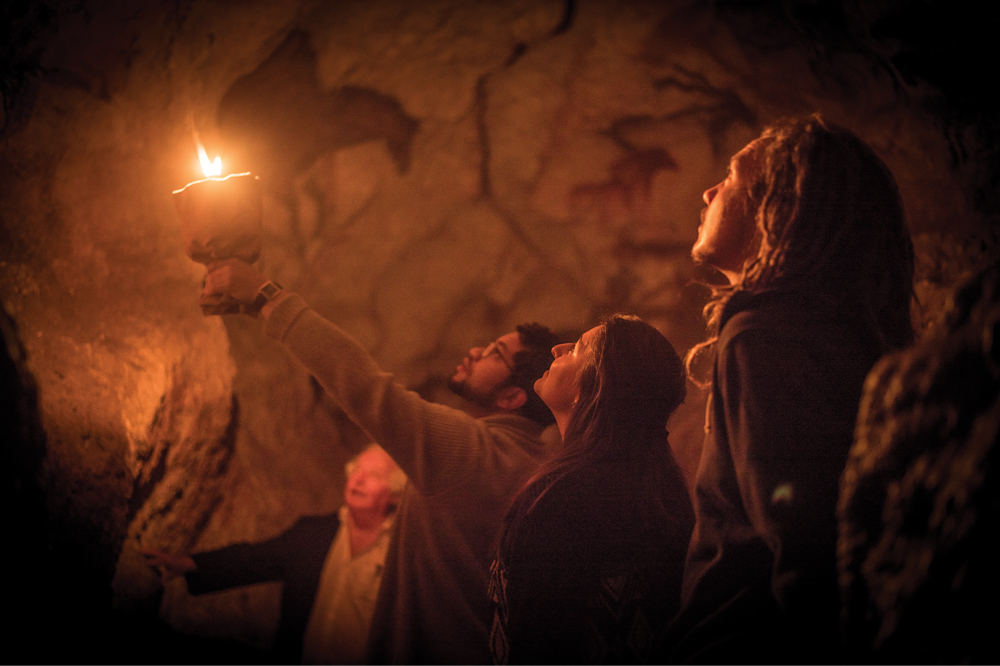
Lascaux IV, c'est un lieu mythique qui vous fera vibrer
d'émotion grâce à sa reproduction fidèle de l...
24620 TURSAC
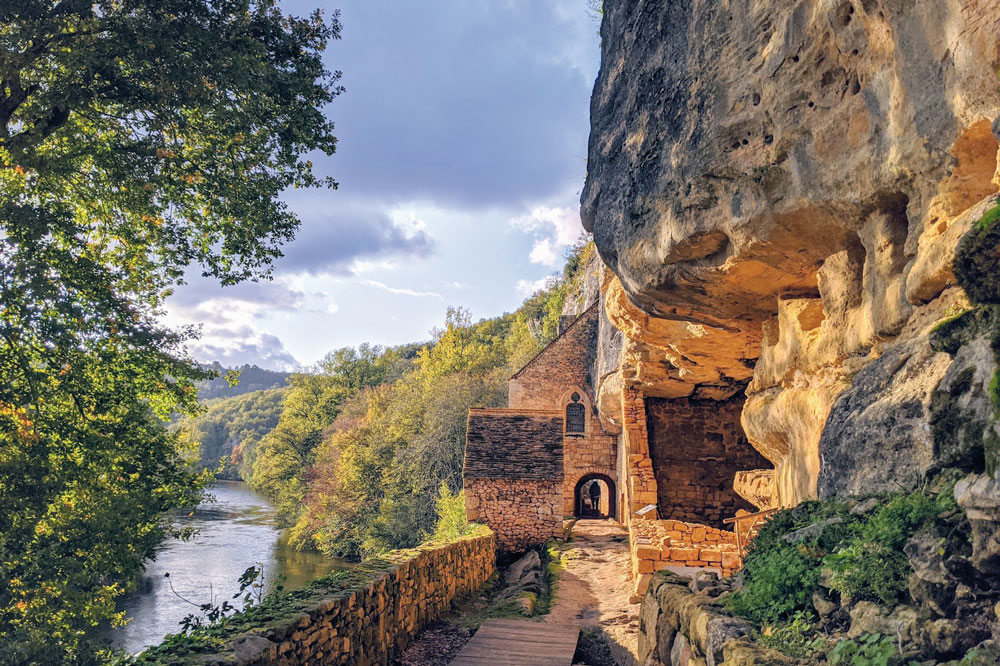
Site de la Madeleine
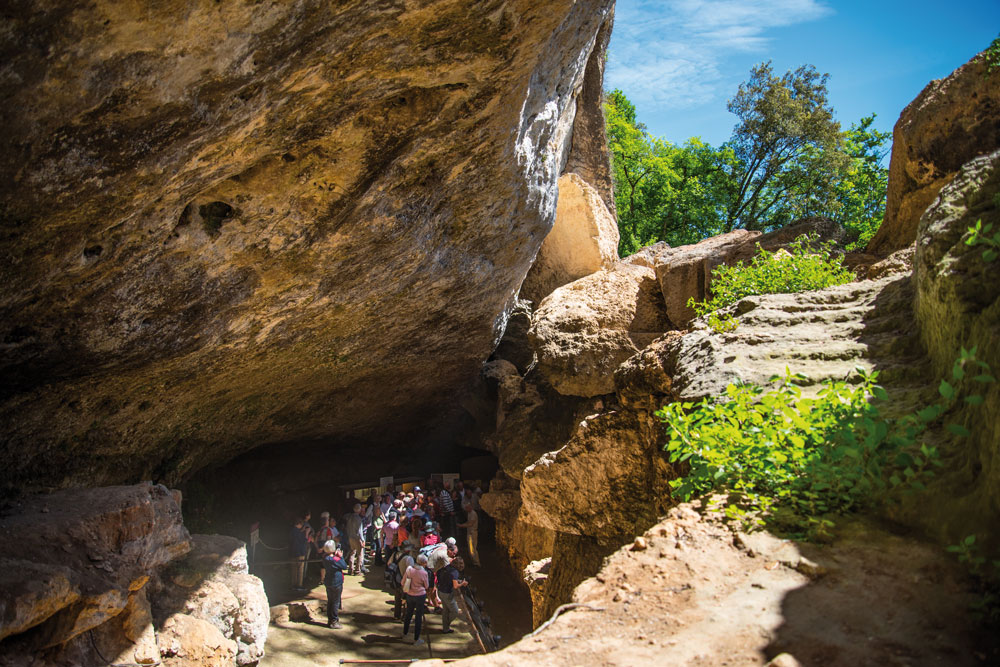
Entouré par la rivière, dans un environnement exceptionnel, le site de la Madeleine retrace la vie de nos ancêtres de la préhistoire jusqu'au XIXème siècl...
24620 EYZIES-DE-TAYAC-SIREUIL
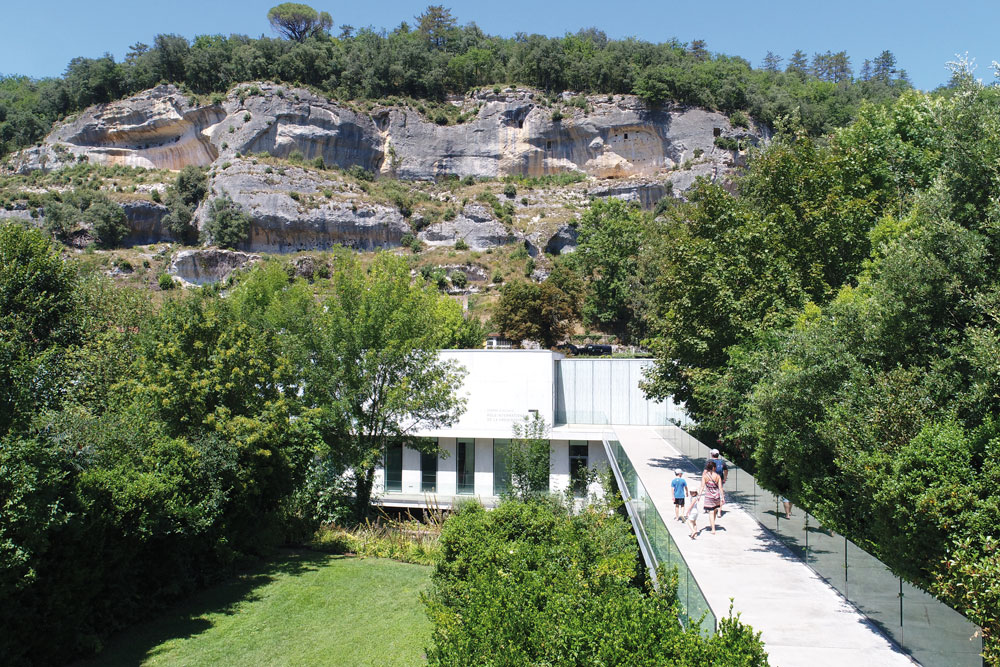
Pôle International de la Préhistoire
Le Pôle d'interprétation de la Préhistoire est un Centre d'information, de médiation et d'animation situé aux Eyzies, au cœur de la Vallée de la
V...
24250 DOMME
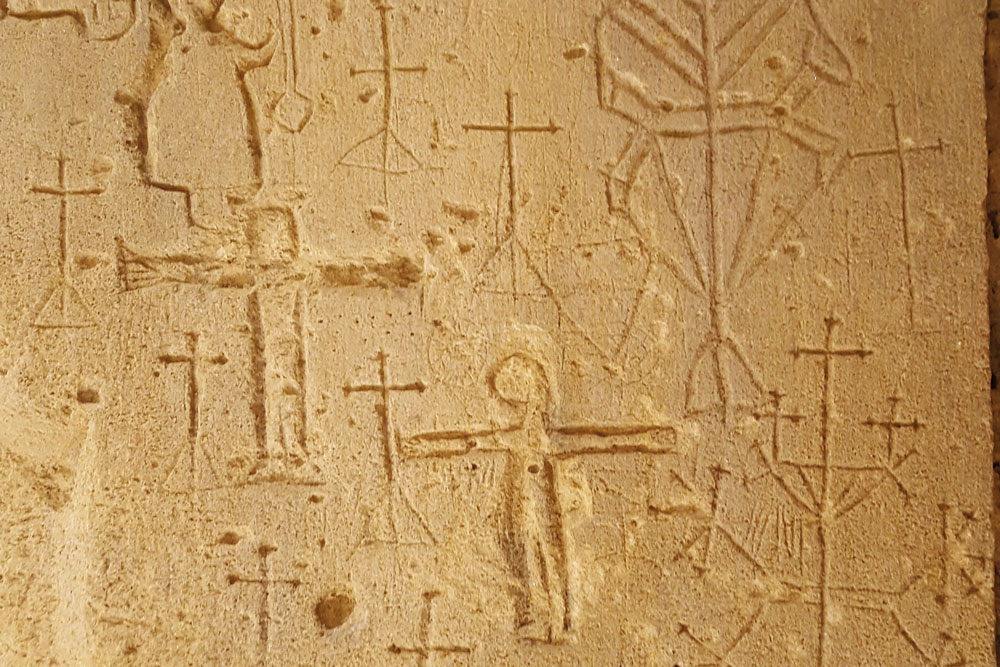
les mystérieux graffiti de domme
La Porte des Tours de la Bastide Royale de Domme, véritable joyau de l'architecture militaire du XIIIème siècle, renferme d'étranges graffiti. En 1970, le c...
24290 MONTIGNAC
Lascaux II
Découvrez Lascaux II, une prouesse technique et artistique située à quelques pas de la grotte originale, et qui fête, cette année, ses 40 ans d'ouverture ...
24620 EYZIES-DE-TAYAC-SIREUIL
Abris Préhistorique de Laugerie basse
Promenez-vous sous un véritable habitat occupé par l'Homme dès l'époque
magdalénienne. Ce site archéologique majeur, inscrit au Patrimoine Mondial de l'...
24170 BELVÈS
Les habitats troglodytiques de Belvès
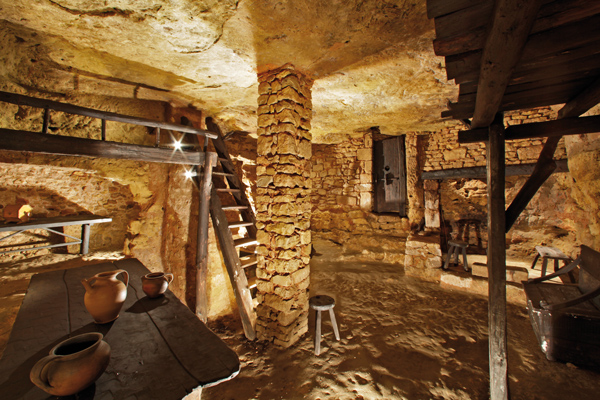
En route pour un véritable voyage hors du temps ! Au cœur du village médiéval de Belvès, classé parmi les Plus Beaux Villages de France, 8 habitats s...
24310 BRANTÔME EN PÉRIGORD
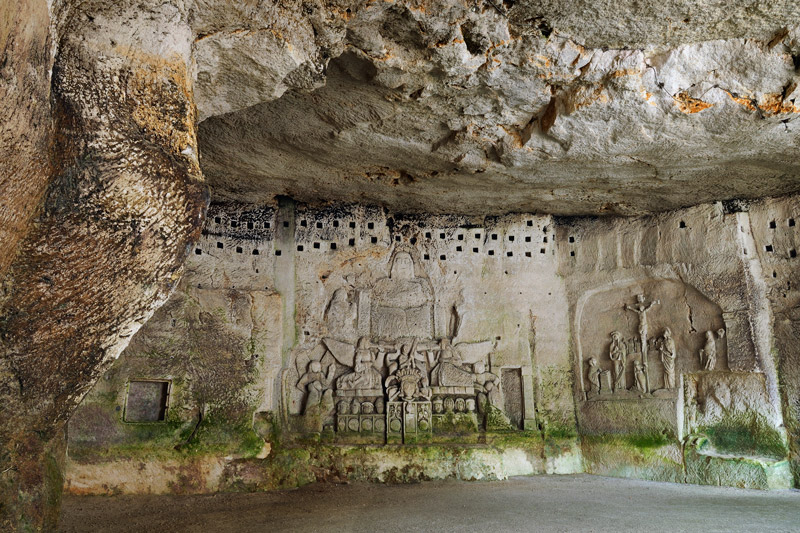
Grottes de l'Abbaye de Brantôme
Fondée selon la légende par Charlemagne qui y aurait déposé les reliques d'un des saints Innocents, l'abbaye de Brantôme fut à ses origines troglodytique ...
Château d'Ajat
24210 AJAT
05 53 05 25 07
Grange templière de La Cassagne
24120 CASSAGNE
05 53 51 66 43
Eglise templière de Reilhac
24360 CHAMPNIERS-ET-REILHAC
05 53 60 74 75
Eglise romane de Cherval
24320 CHERVAL
05 53 90 37 78
Commanderie templière de Condat
24570 CONDAT-SUR-VEZERE
05 53 51 26 61
Eglise romane de Lempzours
24800 LEMPZOURS
05 53 55 12 50
Chapelle templière de Bonnefare
24230 SAINT-MICHEL-DE-MONTAIGNE
05 53 73 29 62
Eglise templière de Sergeac
24290 SERGEAC
05 53 50 77 80
Site archéologique de Montcaret
24230 MONTCARET
05 53 58 50 18
Vesunna, musée gallo-romain
24000 PÉRIGUEUX
05 53 53 00 92
Grottes de Font-de-Gaume et des Combarelles
24620 EYZIES-DE-TAYAC-SIREUIL
05 53 06 86 00
Grottes de Bernifal
24220 MEYRALS
05 53 29 66 39
Grotte aux 100 mammouths
24580 ROUFFIGNAC-ST-CERNIN-DE-REILHAC
05 53 05 41 71
Grotte du Sorcier
24260 SAINT-CIRQ
05 53 07 14 37
Grotte de Teyjat
24300 TEYJAT
05 53 06 86 00
Grotte de Villars
24530 VILLARS
05 53 54 82 36
Abri Pataud
24620 EYZIES-DE-TAYAC-SIREUIL
05 53 06 92 46
Abri du Poisson
24620 EYZIES-DE-TAYAC-SIREUIL
05 53 06 86 00
Abri de Cro-Magnon
24620 EYZIES-DE-TAYAC-SIREUIL
05 53 13 58 54
Abri de Cap Blanc
24620 MARQUAY
05 53 59 60 30
Gisement de Laugerie-Haute et autres gisements préhistoriques
24620 EYZIES-DE-TAYAC-SIREUIL
05 53 06 86 00
Gisement de la Micoque
24620 EYZIES-DE-TAYAC-SIREUIL
05 53 06 86 00
Site préhistorique du Régourdou
24290 MONTIGNAC
05 53 51 81 23
Gisement du Moustier
24620 PEYZAC-LE-MOUSTIER
05 53 06 86 00
Gisement du Ruth
24620 PEYZAC-LE-MOUSTIER
05 53 50 74 02
Gisement de La Ferrassie
24260 SAVIGNAC-DE-MIREMONT
05 53 06 86 00
Gisements du Vallon de Castel-merle
24290 SERGEAC
05 53 50 79 70
Grottes du Roc de Cazelle
24620 EYZIES-DE-TAYAC-SIREUIL
05 53 59 46 09
Fort troglodytique de la Roque-Gageac
24250 ROQUE-GAGEAC
05 53 31 61 94
Site troglodytique Le Conquil
24290 SAINT-LEON-SUR-VEZERE
05 53 51 29 03